Caring for Yourself During Brain Tumor Treatment: A Guide to Supportive Care
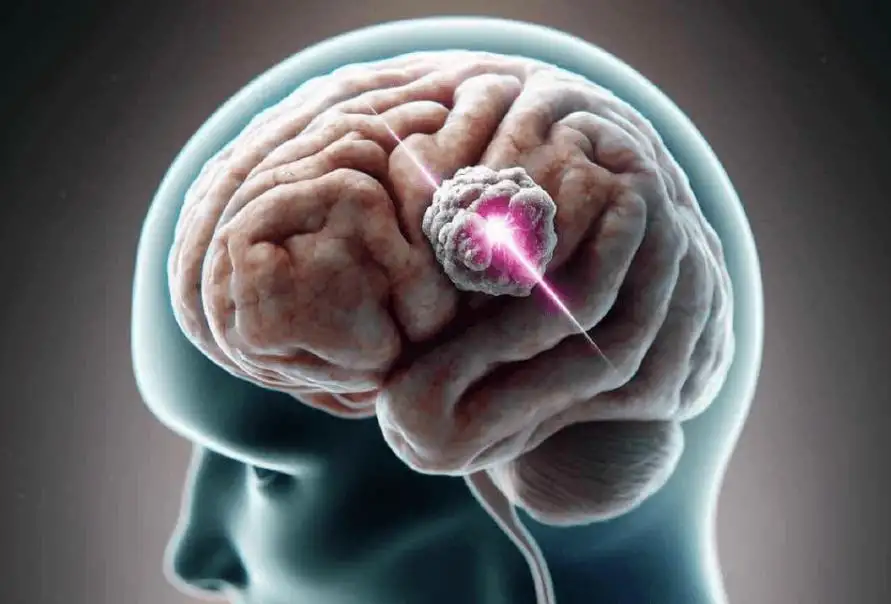
A brain tumor diagnosis brings a flood of questions, and one of the most natural is whether there's anything you can do yourself to help. The honest answer is yes — as long as we're clear about what that help is.
Good nutrition, stress management, restful sleep, gentle movement, and strong emotional support can genuinely improve how you feel, how well you cope with treatment, and your quality of life day to day. What they cannot do is shrink a tumor or take the place of medical treatment. No food, herb, supplement, or relaxation practice has been shown to cure a brain tumor or halt its growth. Used wisely, though, these measures are a real and worthwhile part of your care — a complement to treatment, never a replacement for it.
This guide explains how to look after yourself well while staying firmly on the treatment path your medical team recommends.
Medical treatment comes first, and timing matters
Brain tumors are treated with options such as surgery, radiation therapy, chemotherapy, and targeted or other drug therapies, selected according to the tumor's type, grade, and location. These are the only interventions proven to remove tumors or control their growth. For many tumors, treatment is also time-sensitive: putting it off to "try natural methods first" can let a tumor grow and narrow your options later on.
Think of everything else here as support that sits alongside medical treatment — helping you stay strong and well while your care team treats the tumor itself.
Work closely with your care team
The single most useful thing you can do is keep an open, honest line of communication with your oncology team. That includes telling them about every supplement, herbal product, vitamin, or dietary change you're considering — not just your prescription medicines.
This matters because "natural" does not mean "harmless," and some popular remedies interact with cancer treatment in ways that can be dangerous. Your doctors, nurses, and a registered dietitian can help you build a supportive-care plan that fits your specific treatment, flag anything risky, and adjust it as you go.
Eating well to stay strong
Good nutrition during treatment isn't about fighting the tumor with food — it's about giving your body what it needs to withstand treatment, maintain strength and weight, keep your energy up, and recover. Surgery, radiation, and chemotherapy are demanding, and eating well helps you tolerate them and bounce back.
For most people that means a varied, balanced diet: plenty of vegetables and fruit, enough protein to help maintain muscle, whole grains, and healthy fats, with water throughout the day. Treatment can bring appetite loss, taste changes, nausea, or mouth soreness, so small frequent meals and softer or blander foods often help.
Because individual needs vary — and some treatments and steroids affect appetite, weight, and blood sugar — a dietitian who works with cancer patients is the best person to tailor this to you. There is no special "anti-tumor" diet proven to shrink brain tumors, and very restrictive diets can do more harm than good if they leave you undernourished at a time when you most need your strength.
A careful word about herbal supplements and "natural" remedies
You'll find no shortage of claims online that turmeric (curcumin), green tea extract, and similar compounds can fight or shrink brain tumors. It's worth being clear: while some of these substances are studied in the laboratory, none has been shown in human studies to shrink brain tumors or improve survival. Laboratory interest is not the same as proven benefit in people.
More importantly, several of these products carry real risks during treatment:
- High-dose antioxidant supplements (including some vitamins and green tea extracts) may, in theory, interfere with radiation and certain chemotherapies that work through oxidative damage — so they shouldn't be taken during treatment without your oncologist's approval.
- Turmeric/curcumin and ginger can affect blood clotting and may interact with blood thinners, which matters especially around surgery.
- Many herbs change how the liver processes drugs, which can make chemotherapy less effective or more toxic.
Ginger is one reasonable exception worth mentioning: it has modest evidence for easing nausea and can be a gentle, food-based way to settle the stomach — but even then, check with your team first, particularly around surgery.
The safe rule is simple: don't start any supplement without clearing it with your oncology team.
Managing stress and emotional wellbeing
Fear, anxiety, and low mood are normal responses to a brain tumor diagnosis, and looking after your emotional health is a meaningful part of care. Mind-body practices — mindfulness, meditation, breathing exercises, gentle relaxation, and guided imagery — can ease stress and anxiety, lift mood, and improve quality of life. They're safe for most people and pair well with treatment.
It's worth setting expectations honestly: these practices help you cope and feel better; they aren't a way to "boost the immune system" into fighting the tumor. If anxiety or low mood become hard to manage, that's not a personal failing — tell your team. Counselling, psychological support, support groups, and sometimes medication can all help, and reaching for them is a sign of taking your care seriously.
Protecting your sleep
Tumors, treatment, steroids, stress, and pain can all disrupt sleep, yet rest is when your body recovers. A few steady habits help: a consistent sleep and wake time, a calm wind-down routine, a dark and quiet room, and limiting screens, caffeine, and heavy meals late in the day. If sleep problems persist — or if you notice new or worsening headaches, daytime drowsiness, or other neurological symptoms — let your medical team know, since these can have causes that need attention.
Moving your body, gently
When your medical team says it's safe, light activity such as walking or gentle stretching can help with energy, mood, sleep, and overall wellbeing, and may reduce treatment-related fatigue. The key is to match activity to how you feel and to your team's guidance — brain tumors and their treatment can affect balance, coordination, and seizure risk, so it's important to check what's appropriate for you rather than following a generic exercise plan.
Building a comfortable, supportive environment
Recovery is easier in a space and a circle that support you. A calm, comfortable home — tidy, restful, with good light and things that soothe you — can lower stress, and practical help from family and friends lightens the daily load. Just as valuable is a support network you can lean on: people to come to appointments, help with tasks, and simply be there. You don't have to manage this alone.
How progress is actually tracked
This deserves an honest note, because it's where well-meaning "natural healing" advice can cause real harm. The growth or shrinkage of a brain tumor is tracked by your medical team — through imaging such as MRI scans and clinical assessment — not by how you feel. Feeling better is wonderful and worth pursuing, but it is not a reliable sign that a tumor is shrinking, and a tumor can grow even while symptoms ease for a time. For that reason, never treat a sense of improvement as a reason to delay, reduce, or stop the treatment your doctors have recommended. Keep your scheduled scans and appointments, and let your team interpret what's happening.
Knowing the limits, and staying safe
To bring it together:
- Supportive and complementary measures — nutrition, stress management, sleep, gentle activity, emotional support — can improve quality of life and help you through treatment.
- They do not shrink tumors and are not a substitute for surgery, radiation, chemotherapy, or other prescribed care.
- "Natural" is not automatically safe; some remedies interact dangerously with treatment.
- Clear every supplement and major lifestyle change with your oncology team first.
- Never delay or abandon evidence-based treatment in favour of natural approaches.
Moving forward
A brain tumor diagnosis is one of the hardest things a person can face, and wanting to take an active role in your own care is completely understandable. You can do exactly that — by eating well, resting, managing stress, leaning on the people around you, and partnering closely with your medical team — while trusting proven treatment to do the work only it can do. Be patient and gentle with yourself, ask for support when you need it, and bring your questions to the professionals guiding your care. That combination — strong medical treatment plus thoughtful self-care — gives you the best footing for the road ahead.