Throat Cancer Lymph Nodes: Symptoms, Diagnosis, Treatment, and Prognosis Explained
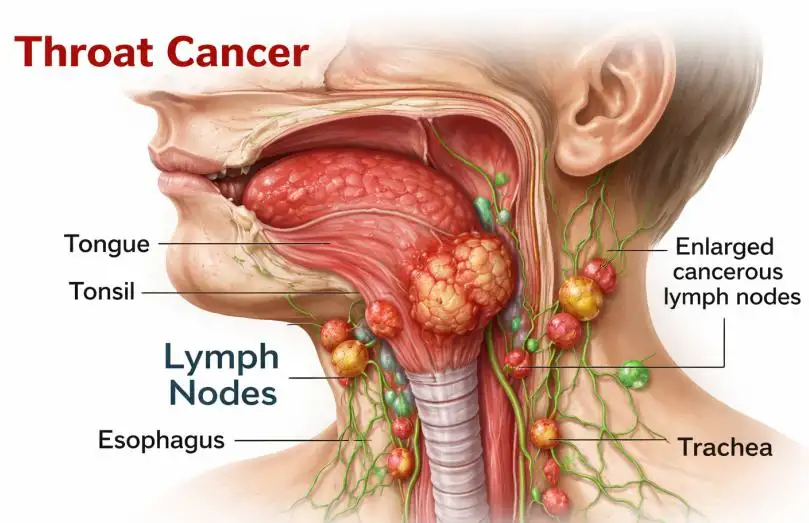
When discussing head and neck cancers, one of the most critical factors influencing diagnosis and treatment is the involvement of throat cancer lymph nodes. Lymph nodes play a vital role in the body’s immune system, but they can also become pathways through which cancer spreads. Understanding how throat cancer affects lymph nodes can significantly improve early detection and treatment outcomes.
If you or someone you care about has been diagnosed with throat cancer, or is experiencing concerning symptoms, learning about throat cancer lymph nodes is essential. In this comprehensive guide, we’ll explore how lymph nodes are involved, what symptoms to watch for, how the condition is diagnosed, and the latest advances in treatment.
Overview
Throat cancer typically refers to cancers that develop in the pharynx or larynx. The most common type is Squamous cell carcinoma, which originates in the thin, flat cells lining the throat.
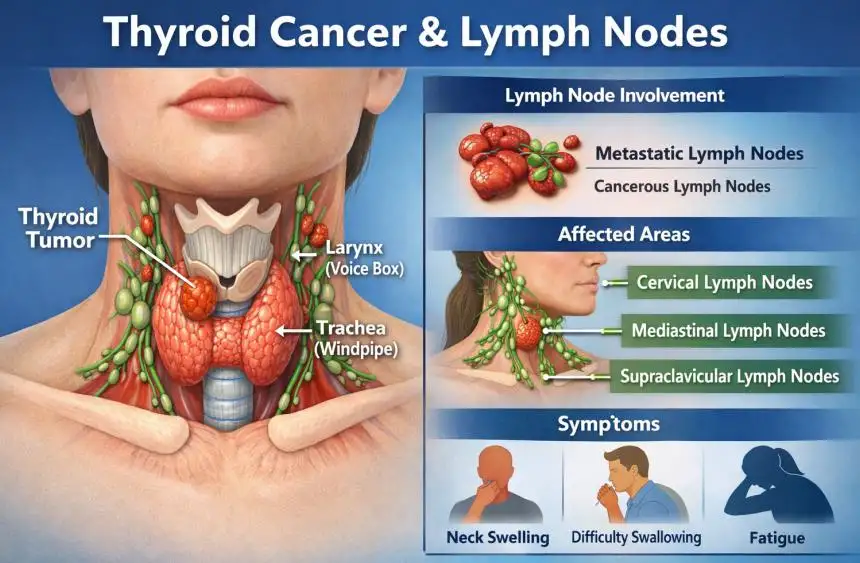
The lymphatic system consists of lymph nodes and vessels that help filter harmful substances. In throat cancer, malignant cells can travel through lymphatic channels and lodge in nearby cervical (neck) lymph nodes. When throat cancer lymph nodes are involved, the disease is considered more advanced and may require more aggressive treatment.
Lymph node involvement is a key component of cancer staging under the TNM system:
-
T = Tumor size
-
N = Node involvement
-
M = Metastasis (spread to distant organs)
The “N” stage specifically describes how many lymph nodes are affected, their size, and their location.
Types
Throat cancer affecting lymph nodes can be categorized based on tumor location and lymph node spread.
1. Based on Primary Cancer Location
-
Nasopharyngeal cancer
-
Oropharyngeal cancer
-
Hypopharyngeal cancer
-
Laryngeal cancer
Each type has different patterns of lymph node spread. For example, oropharyngeal cancers commonly spread early to neck lymph nodes.
2. Based on Lymph Node Involvement (N Stage)
| N Stage | Description |
|---|---|
| N0 | No regional lymph node involvement |
| N1 | Single lymph node involvement (small size) |
| N2 | Multiple or larger lymph nodes involved |
| N3 | Extensive lymph node involvement |
Higher N stages indicate more advanced throat cancer lymph nodes involvement.
Causes and Risk Factors
Several risk factors increase the likelihood of throat cancer and subsequent lymph node spread.
Major Risk Factors
-
Tobacco use (smoking or chewing)
-
Heavy alcohol consumption
-
Infection with Human papillomavirus infection
-
Exposure to environmental toxins
-
Poor oral hygiene
-
Family history of head and neck cancers
HPV-positive oropharyngeal cancers often present with enlarged lymph nodes even when the primary tumor is small. This makes throat cancer lymph nodes a common first sign in some patients.
Symptoms and Early Warning Signs
Lymph node involvement can significantly change the symptom profile of throat cancer.
Common Symptoms of Throat Cancer
-
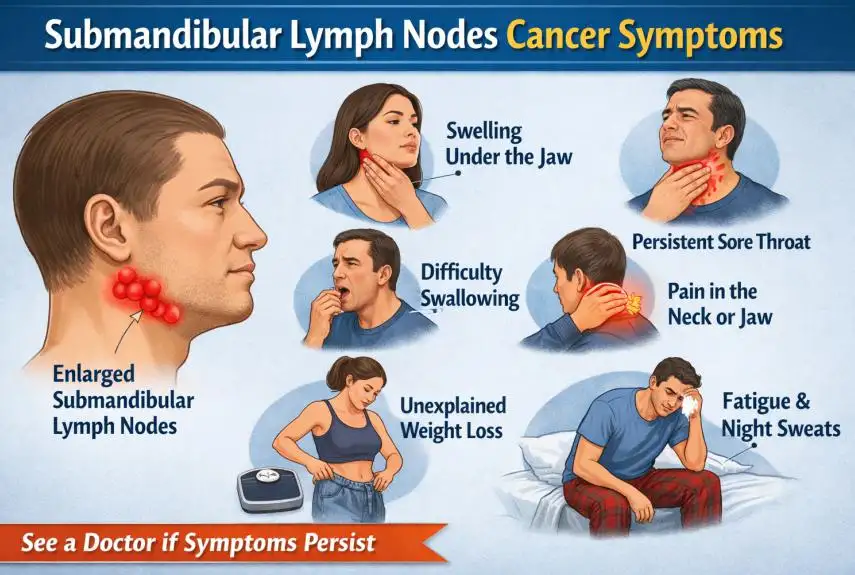
Persistent sore throat
-
Difficulty swallowing
-
Hoarseness
-
Unexplained weight loss
-
Chronic cough
Symptoms of Throat Cancer Lymph Nodes Involvement
-
Painless lump in the neck
-
Swollen or firm lymph nodes
-
Neck stiffness
-
Tenderness in advanced cases
-
Asymmetrical neck swelling
In many cases, a neck lump is the first noticeable symptom. If you detect a persistent lump lasting more than two weeks, medical evaluation is essential.
Diagnosis
Early and accurate diagnosis of throat cancer lymph nodes involvement improves treatment success.
Diagnostic Methods
| Test | Purpose |
|---|---|
| Physical Examination | Palpation of neck lymph nodes |
| Endoscopy | Visualize throat structures |
| Imaging (CT, MRI, PET scan) | Assess tumor size and lymph node spread |
| Biopsy | Confirm cancer cells in tissue |
| Fine Needle Aspiration (FNA) | Sample lymph node tissue |
A PET-CT scan is particularly useful in detecting metastatic lymph nodes and identifying unknown primary tumors.
Treatment Options
Treatment for throat cancer lymph nodes depends on the stage, tumor location, and patient health.
1. Surgery
-
Removal of primary tumor
-
Neck dissection to remove affected lymph nodes
2. Radiation Therapy
Often used for early-stage lymph node involvement or after surgery to eliminate residual cancer cells.
3. Chemotherapy
Combined with radiation (chemoradiotherapy) for advanced disease.
4. Targeted Therapy
Drugs that specifically target cancer cell mechanisms, reducing damage to healthy cells.
5. Immunotherapy
Helps the immune system recognize and attack cancer cells.
| Treatment | When Used | Goal |
|---|---|---|
| Surgery | Localized disease | Remove tumor & nodes |
| Radiation | Early/adjunct | Kill remaining cells |
| Chemoradiation | Advanced cases | Control spread |
| Immunotherapy | Recurrent/metastatic | Boost immune response |
A multidisciplinary team approach ensures optimal management.
Prevention and Lifestyle Recommendations
While not all cases are preventable, you can reduce your risk.
-
Quit smoking
-
Limit alcohol intake
-
Practice safe sex to reduce HPV transmission
-
Maintain oral hygiene
-
Get HPV vaccination when eligible
-
Attend regular medical checkups
Early detection significantly reduces complications related to throat cancer lymph nodes.
Prognosis and Survival Rates
The prognosis depends heavily on lymph node involvement.
-
N0 (no lymph nodes): Higher survival rates
-
N1–N2: Moderate prognosis
-
N3: Lower survival due to advanced spread
HPV-positive throat cancers generally have better outcomes, even with lymph node involvement.
Five-year survival rates vary based on stage, age, overall health, and response to treatment. Early-stage throat cancer with limited lymph node spread can have survival rates above 70–80%.
Latest Research and Innovations
Medical research continues to improve outcomes for throat cancer patients.
Emerging Developments
-
De-escalation therapy for HPV-positive cancers
-
Advanced robotic surgery techniques
-
Precision radiation therapy (IMRT, proton therapy)
-
Biomarker-guided treatment strategies
-
Improved immunotherapy drugs
These innovations aim to reduce side effects while maintaining high cure rates, particularly in patients with throat cancer lymph nodes involvement.
Coping and Support for Patients
A throat cancer diagnosis can be emotionally overwhelming. Support systems are crucial.
-
Join head and neck cancer support groups
-
Seek counseling or mental health therapy
-
Work with speech and swallowing therapists
-
Consult nutrition specialists
-
Engage family and community support
Patients dealing with lymph node removal may experience physical changes. Rehabilitation services help improve quality of life.
Conclusion
Understanding throat cancer lymph nodes involvement is critical for early diagnosis, effective treatment, and improved survival. Lymph node status plays a central role in staging, prognosis, and therapeutic decisions. If you notice persistent neck swelling or throat symptoms, seek medical evaluation promptly.
By recognizing symptoms early and adopting preventive measures, you can significantly reduce risks and improve outcomes. Advances in modern medicine continue to enhance treatment success and patient quality of life.
FAQ
1. What does it mean when throat cancer spreads to lymph nodes?
It means cancer cells have traveled from the primary tumor to nearby lymph nodes, indicating regional spread and potentially a more advanced stage.
2. Is a neck lump always cancer?
No. Many neck lumps are benign infections. However, persistent, painless lumps should be evaluated by a healthcare professional.
3. Can throat cancer lymph nodes be cured?
Yes, especially if detected early. Treatment success depends on stage, overall health, and cancer type.
4. Are HPV-related throat cancers less dangerous?
HPV-positive cancers often respond better to treatment and have improved survival rates compared to HPV-negative cancers.
5. How are affected lymph nodes removed?
Through a surgical procedure called neck dissection, which removes cancerous lymph nodes while preserving essential structures when possible.